

ISBNs 101: Should Indie Authors Buy Their Own ISBNs or Use Free Identifiers?
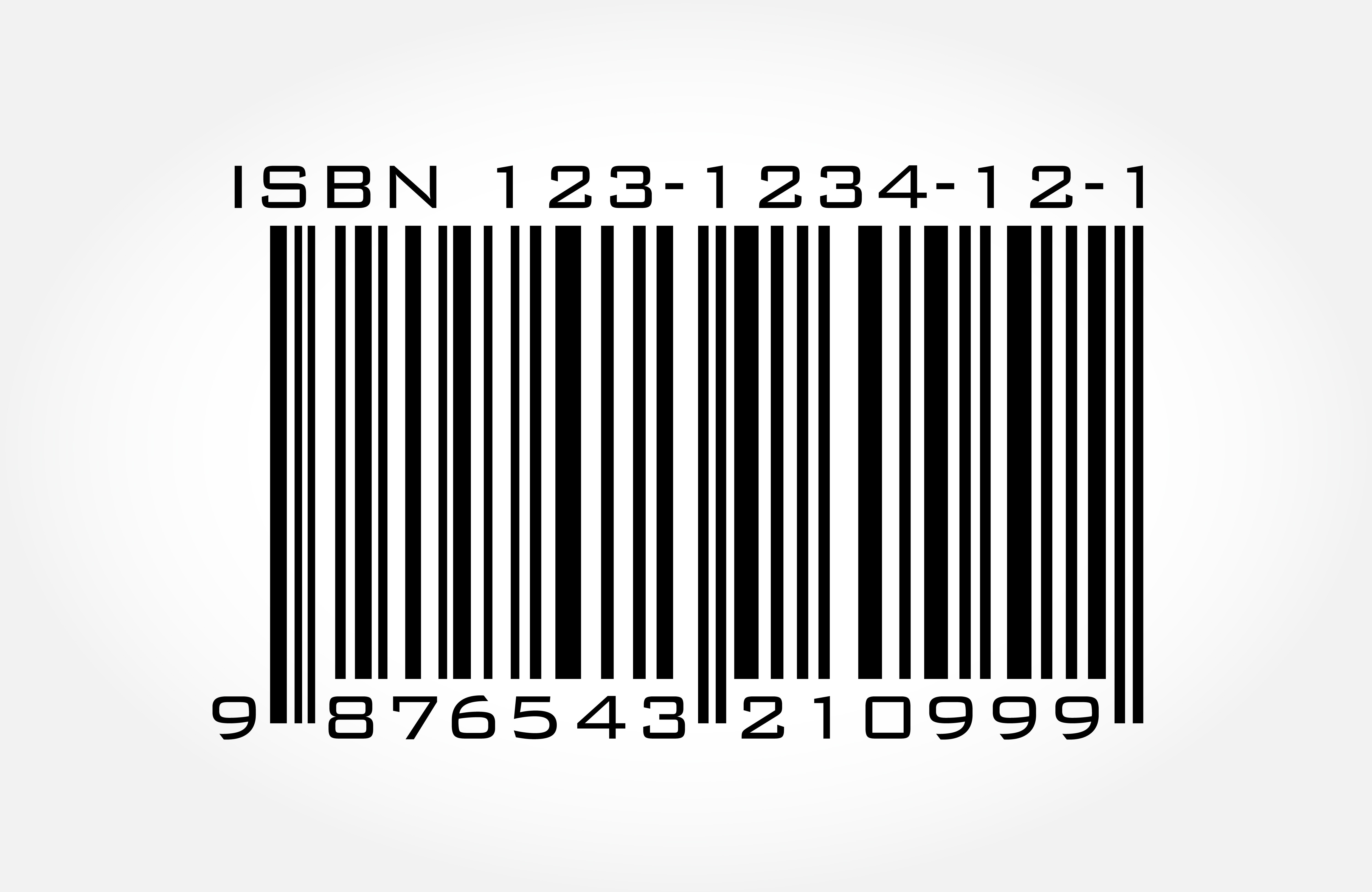
One of the biggest traps indie authors fall into is that of a free ISBN. Free shortcuts are tempting, but they ultimately come with a steep hidden cost. Free ISBNs are no different—at least regarding financial tradeoffs for US-based authors (more on that below).
An ISBN (International Standard Book Number) isn’t just a number printed in the barcode on your back cover; it’s your book’s permanent ID, and embedded within is the publisher of record. When you accept a free ISBN from Amazon or another distributor, they become the publisher of record—not you.
If your goal is to build a professional author brand, this choice creates three major obstacles:
Brick-and-Mortar Rejection: Physical bookstores and libraries rarely stock books tied to retailer-assigned ISBNs, particularly those originating from Amazon—their primary competitor.
Locked Distribution: A free ISBN ties you to the provider, preventing you from using that same ISBN to expand to other distributors and from fully controlling your metadata. For example, a free KDP ISBN cannot be used at IngramSpark or anywhere else (note that this doesn’t mean the title can’t be set up elsewhere under a different ISBN). So, should KDP somehow fold, or should you simply wish to take advantage of other opportunities beyond KDP, you would need to republish under a new ISBN.
Perception Issues: Not having your own imprint name on your Amazon page and other book listings sends the signal that you’re not a serious publisher and that the book hasn’t been produced according to traditional publishing standards. Savvy readers, trade reviewers, and industry professionals will notice this immediately.
Pro Tip: Buying your own ISBNs won’t guarantee professional credibility alone. Serious authors intending to develop a profitable, long-term publishing business should develop a strong, dedicated brand. One way to lay the foundation for this brand is to set up a DBA (doing business as) name for your publishing imprint, rather than just using your own first and last name as the publisher. Depending on your state, how much you expect to make, and your current tax situation, it may be wise to go as far as forming an LLC. If you’re not sure how best to set up your business, you should seek legal, expert advice.
How Can Authors Buy and Register Their ISBNs?
Where and how to purchase ISBNs will vary based on your country of residence. There are countries that offer official ISBNs free of charge via the national library system or other designated body. Others, like the US, charge for them. In the US, Bowker is the official ISBN agency. You can set up an account at Bowker to purchase and manage your ISBNs.
Pro Tip: For greatest efficiency, you should determine whether you plan to use a DBA name for your imprint before setting up your account.
Bowker offers single ISBNs as well as packs of ten, one hundred, and one thousand.
Each format of each book you plan to sell should have its own ISBN. If you plan to offer a hardcover and a softcover, each requires a unique ISBN. If you offer two different kinds of hardcovers (such as a cloth hardcover with a jacket and a laminated hardcase) each would need its own ISBN because they are still separate binding styles.
You should also assign a unique ISBN to your eBook and another to your audiobook to set them up in Bowker’s system, even though retailers like Amazon will still assign their own internal identification number to such digital titles.
For authors just starting out, we usually recommend the ten-pack for the best value. This provides sufficient ISBNs in case an author wishes to sell their book in multiple formats, and since ISBNs don’t expire, any unused ISBNs will remain available for future books.
Note that this advice mainly applies to authors who wish to sell their books. If you’re not interested in selling your book, only printing it for your own use or as a gift to friends, then you don’t need to purchase ISBNs. If you’re using IngramSpark, for example, you can use one of their non-distributable SKU/IngramID numbers instead to allow for printing only.
When Should Authors Assign ISBN Metadata at Bowker?
After ISBNs are purchased, they will eventually need to be assigned to your title according to format by filling in the appropriate metadata at Bowker.
We generally recommend waiting to assign them until after publication for greatest flexibility and to avoid issues for authors using IngramSpark or KDP. Often, when authors fully preassign their ISBNs, IngramSpark and KDP reject them as already in use. This mainly occurs when authors set the status as “Active Record.”
Another issue with preassigning ISBNs, however, is that authors often change their minds about what formats they want as the production process unfolds. While preassigning ISBNs can sometimes lead to early marketing opportunities, those opportunities usually aren’t much use when the book isn’t even ready for marketing yet.
Pro Tip: We offer our clients assistance filling in Bowker’s metadata to assign the ISBNs when the time is right.
Do Authors Need to Buy a Barcode for Their Book ISBN?
In general, any book you plan to sell requires a barcode. In fact, regardless of whether or not you’re selling a book, print-on-demand platforms like IngramSpark and KDP require a barcode. However, that doesn’t mean you need to buy a barcode, even though Bowker offers them. Barcodes are an exception to the “free shortcut” warning.
Your cover designer should be able to create a barcode using your ISBN at no extra charge, even if just by using IngramSpark’s free cover template generator to obtain it. KDP can also generate a barcode for your cover during printing using your own ISBN, if your cover doesn’t already have one.
Own Your Publishing Journey
Don’t build your publishing business on rented land. By controlling your ISBNs from day one, you help ensure universal distribution rights, protect your author imprint, and take the first step to position your book to compete with traditional releases on equal footing.
Moving forward, the next step is to create a market-ready book that lives up to traditional publishing standards inside and out. From editing and proofreading to cover design and interior typesetting, 1106 Design is here to help. Contact us today to learn how we can help create a book you can publish with confidence.
In case you missed it…
Hybrid Publishing vs. Self-Publishing for Indie Authors: Is Hybrid Publishing Better?
Is self-publishing or hybrid publishing better? Learn more here.
Recent Podcasts
In the Writer’s Chair with Lana McAra: Why Your Book’s Quality Is Your Best Investment with Michele DeFilippo
Little Wild Experiences with Zhara York: The Truth About Publishing Your Book Nobody Tells You
Check Out Our Services
If you need help with any aspect of the publishing process, from editing to marketing, we’re here for you. All of our services come a la carte or can be combined into a package tailored to suit your needs.
To learn more about our services, please contact us here or hit the button below.
Thank you for reading Publish Like the Pros—always FREE!
Subscribe today to receive new indie-publishing resources, updates, and advice.
Referrals to your Substack followers (and anyone else) are always appreciated. In fact, we’re now offering rewards for referrals. Click here to learn how it works.
We hope you enjoyed this newsletter!